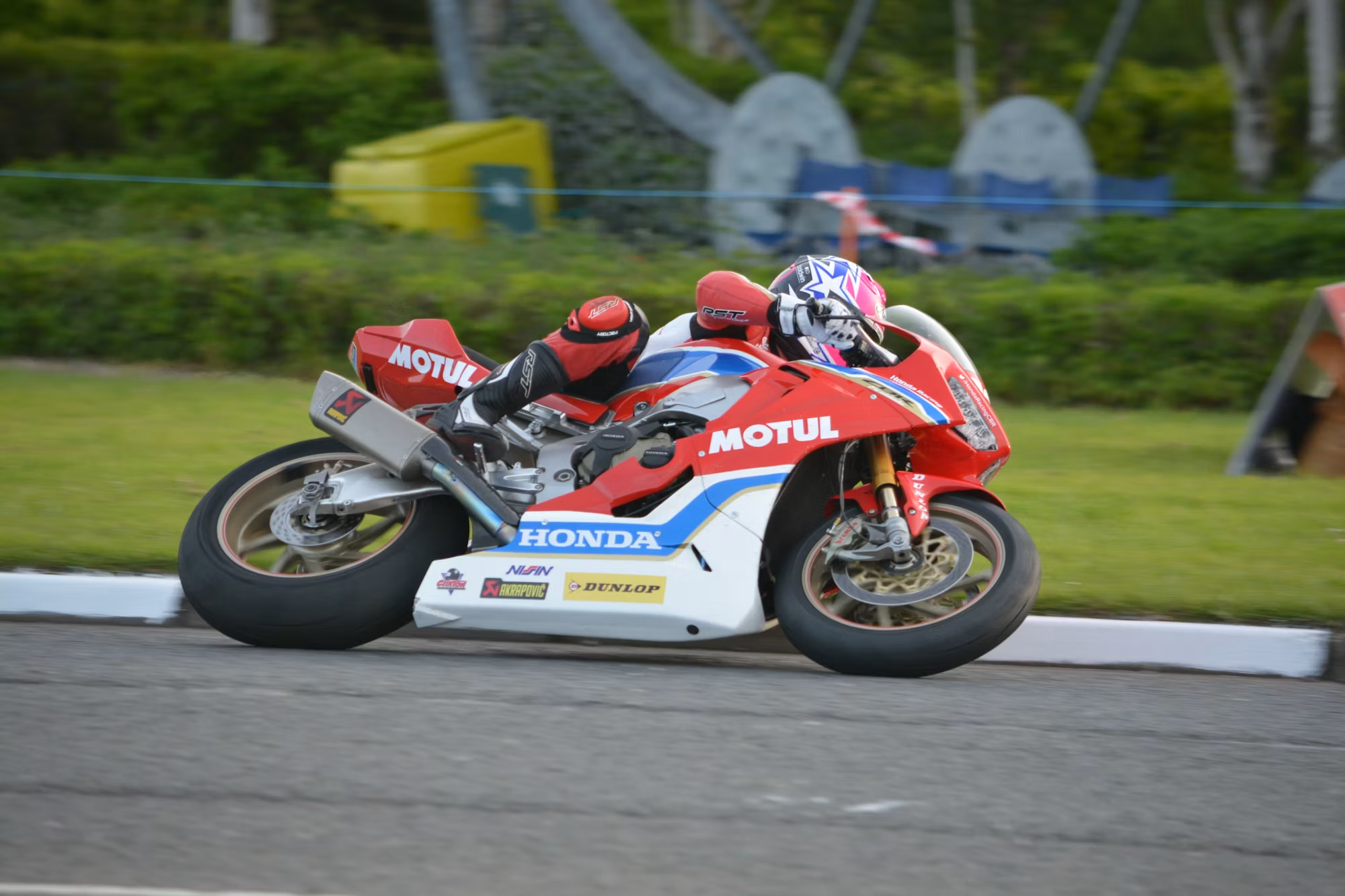
The world of motorcycling is undergoing a remarkable transformation, driven by advancements in technology and a growing awareness of environmental sustainability. As riders and manufacturers adapt to these changes, the motorcycle industry is embracing new trends that promise to redefine the riding experience. This article explores some of the most exciting developments in motorcycling, including electric bikes, smart technology, and innovative designs that cater to the modern rider.
Electric motorcycles are at the forefront of this transformation. As concerns about climate change and fuel consumption rise, manufacturers are increasingly focusing on electric alternatives that offer impressive performance while minimizing environmental impact. Electric bikes, such as the Harley-Davidson LiveWire and Zero Motorcycles, deliver instant torque and quiet operation, providing a thrilling ride without the noise associated with traditional combustion engines. This shift towards electrification is not just a trend; it’s a fundamental change in how we think about transportation.
One of the significant advantages of electric motorcycles is their efficiency. With fewer moving parts and no need for oil changes or extensive maintenance, electric bikes can significantly reduce long-term ownership costs. Additionally, advancements in battery technology are improving range and charging times, making electric motorcycles more practical for everyday use. As charging infrastructure expands, the appeal of electric riding will continue to grow, inviting new riders to explore this innovative segment of the market.
In tandem with the rise of electric motorcycles is the incorporation of smart technology. Modern motorcycles are becoming increasingly connected, featuring integrated navigation systems, Bluetooth connectivity, and advanced rider-assistance systems. Manufacturers are designing bikes equipped with touchscreen displays that offer real-time information about speed, fuel efficiency, and route mapping. For example, the BMW K1600GT features a sophisticated infotainment system that enhances the overall riding experience by keeping riders informed and entertained.
Furthermore, rider-assistance technologies are improving safety and confidence on the road. Features such as adaptive cruise control, cornering ABS, and traction control systems help riders maintain control under various conditions. These innovations not only enhance the riding experience but also make motorcycling more accessible to new riders who may feel apprehensive about handling powerful machines.
The design of motorcycles is also evolving to meet the demands of contemporary riders. Customization and personalization are becoming standard, allowing enthusiasts to tailor their bikes to their preferences. Many manufacturers now offer a range of accessories and parts that enable riders to create a unique look and feel for their motorcycles. This trend reflects a broader cultural shift towards individual expression and creativity in the riding community.
In addition to aesthetics, ergonomics play a crucial role in modern motorcycle design. Manufacturers are increasingly focused on creating comfortable riding positions that accommodate long-distance travel. Bikes like the Honda Gold Wing and Indian Chieftain are designed with adjustable seating and advanced suspension systems, ensuring a smooth ride even on extended journeys. Comfort and convenience are essential, as riders seek to enjoy their adventures without discomfort.
Sustainability is another driving force behind the future of motorcycling. As consumers become more environmentally conscious, manufacturers are exploring eco-friendly materials and production methods. Innovations such as using recycled materials in bike frames and components demonstrate a commitment to reducing the industry’s carbon footprint. Additionally, the concept of shared mobility is gaining traction, with services offering motorcycle rentals and ridesharing options. This shift not only promotes sustainable transportation but also makes motorcycling more accessible to a broader audience.
As we look ahead, the motorcycle community is embracing these changes with enthusiasm. Events like motorcycle expos and rallies are now showcasing electric bikes and smart technology, reflecting the industry’s evolving landscape. Riders are eager to share their experiences with new innovations, creating a sense of camaraderie among those who appreciate the thrill of riding.
Moreover, as the industry adapts to new trends, it’s important for riders to stay informed. Engaging with online forums, following motorcycle blogs, and attending workshops can provide valuable insights into the latest developments. The exchange of ideas and experiences fosters a vibrant community that is passionate about the future of motorcycling.
In conclusion, the future of motorcycling is bright and full of possibilities. From the rise of electric bikes to the integration of smart technology, the industry is poised for exciting changes that will enhance the riding experience for everyone. As riders, we have the opportunity to embrace these innovations, making our journeys not only more enjoyable but also more sustainable. Whether you’re a seasoned enthusiast or a newcomer, exploring the latest trends can lead to an enriching and thrilling motorcycling experience.